Effective Commercial Window Cleaning for a Polished Look
Efficient business window cleaning plays a critical role in a company's overall look. Clean windows not only raise aesthetic appeal but also help create a positive work environment. Regular maintenance can prevent long-term damage and elevate natural light intake. Choosing the right methods and products is essential. However, many businesses ignore the best practices surrounding this significant task. Understanding these fine points can make all the difference in securing that polished look. What steps should be taken next?
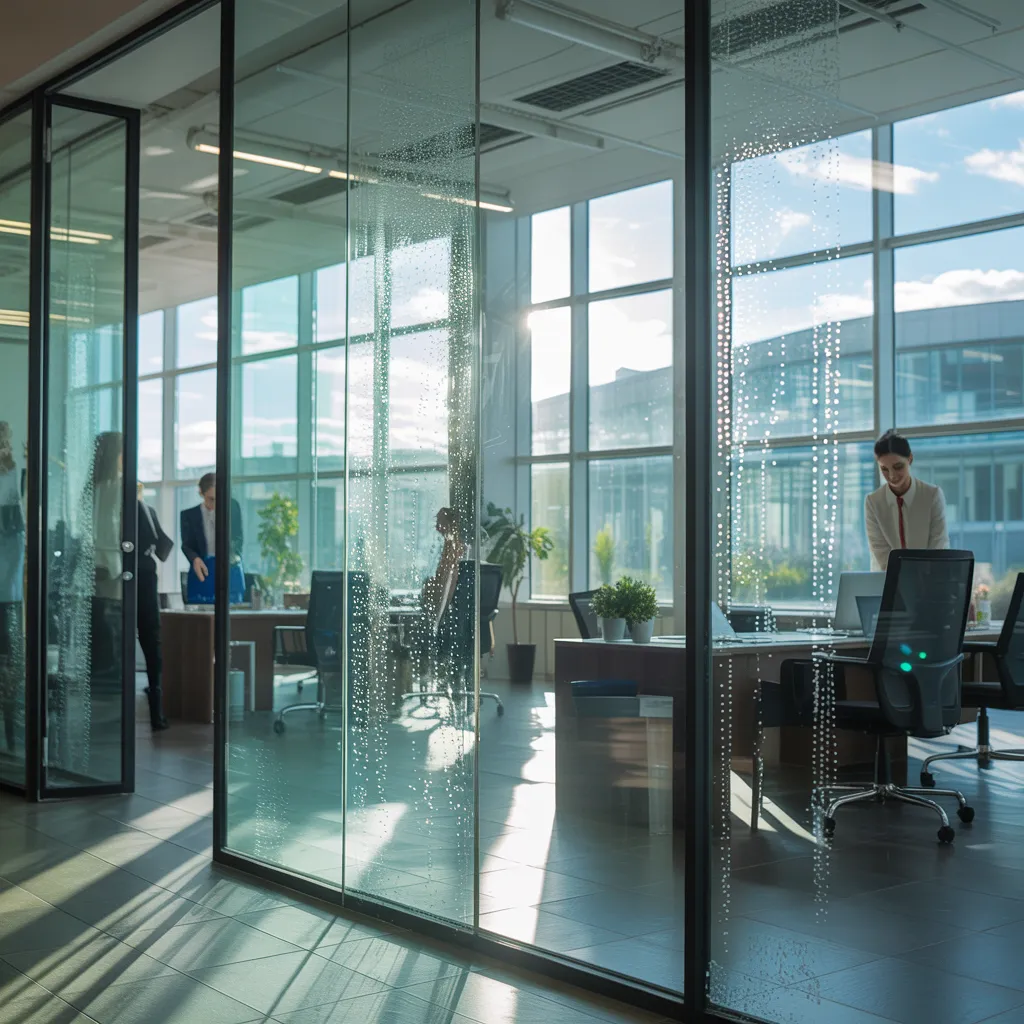
Why Clean Windows Matter for Your Business's Growth
Clean windows significantly boost a business's professional image. They function as a representation of a company's principles, illustrating careful consideration and dedication to excellence. Customers are more apt to have confidence in a business that maintains a clean facade, as it conveys an efficient and properly operated operation. Additionally, clean windows enable sunlight to pour into the interior, establishing an pleasant atmosphere for both staff and visitors. This enhanced environment can result in increased staff satisfaction and greater client contentment.
Furthermore, the external appearance of a establishment can shape client attitudes, guiding their determination to access or collaborate with the entity. Routine window cleaning not only enhances the aesthetic quality but also protects the glass from continuous degradation caused by soiling and accumulation. In turn, investing in expert cleaning providers can meaningfully contribute to a business's success, nurturing a positive image that resonates with clients and fosters loyalty.
Determine the Most Appropriate Window Cleaning Method
Picking the best window cleaning technique is essential for achieving the ideal outcomes. Various approaches serve different types of buildings and their window states. Traditional methods, including squeegees and check this buckets, are productive for smaller structures and can provide a comprehensive clean when carried out by skilled workers. However, for high-rise buildings, more advanced methods such as water-fed poles and aerial lifts are required to guarantee safety and efficiency.
Furthermore, the choice of cleaning solution serves as an important factor. Some approaches utilize chemical-based solutions, while others may depend on pure water systems to avoid streaks and residues. Each technique has its advantages based on the specific needs of the business environment. Ultimately, considering factors such as glass variety, height, and environmental conditions will direct businesses in selecting the best-fitting glass cleaning approach, ensuring a refined and expert appearance that reflects their brand's image.
Green Commercial Window Cleaning Services Methods
As firms increasingly prioritize sustainability, eco-friendly window cleaning solutions are gaining traction in the commercial field. These approaches utilize sustainable cleaning agents that reduce environmental impact while removing grime and dirt effectively. Businesses are moving toward plant-derived ingredients such as vinegar, baking soda, and soap from plants, which pose reduced health concerns to employees and clients alike.
Furthermore, sustainable methods often include water-saving techniques, including using advanced filtration systems that decrease water usage during the cleaning process. Microfiber materials and recyclable squeegees have also become popular, as they limit waste and improve cleaning efficiency.
Furthermore, many professional window cleaning companies now offer environmental certifications, guaranteeing clients of their dedication to sustainable and eco-conscious operations. By adopting these eco-friendly solutions, businesses can not only preserve their premises but also contribute positively to the environment, aligning with growing consumer preferences for sustainable practices.
How Frequently Should You Clean Your Windows?
Figuring out the frequency of window cleaning is required for upholding a professional image. Seasonal recommendations commonly advocate cleaning at least four times a year, though environmental factors could modify this timetable. Enterprises must review surrounding environment, like pollen counts and pollution, when planning their cleaning regimen.
Seasonal Cleaning Advice
Keeping windows pristine and spotless enhances both the visual appeal and longevity of a structure. Seasonal cleaning recommendations vary based on geographic location and climate. In places experiencing heavy rain or snow, windows require at minimum quarterly to eliminate dirt and grime buildup. In contrast, areas with warmer weather may require cleaning twice per year. Autumn and spring are ideal for comprehensive cleaning, as they match up with minimal debris. Also, businesses should plan washing in response to major storms, such as storms, to tackle any new contaminants. An ongoing cleaning schedule preserves the aesthetic appeal of windows but also avoids likely injury stemming from accumulated residue over time. Regular maintenance fosters a inviting atmosphere for customers and team members in equal measure.
Environmental Influences To Consider
Regular window washing not only enhances a building’s appearance but also carries environmental considerations that deserve attention. The rate of cleaning impacts water consumption, energy consumption, and the selection of cleaning materials. Commercial windows are generally cleaned every 4 to 6 months, depending on the surrounding environment. Metropolitan areas with elevated dust and pollution levels may require more frequent cleaning, while less exposed locations can increase intervals. Moreover, eco-friendly cleaning solutions help minimize chemical runoff, supporting cleaner water quality. Embracing efficient cleaning methods reduces waste and supports sustainability. Companies should consistently assess their cleaning schedules to balance aesthetic demands with environmental responsibility, ensuring a polished appearance without harming ecological wellbeing.
Vital Tools for Thorough Window Cleaning
Achieving successful window cleaning requires a particular collection of tools to achieve optimal results. Essential equipment include squeegees and scrubbers, eco-friendly cleaning solutions, and crucial safety gear. Each tool plays an essential role in ensuring both efficiency and safety during the cleaning process.
Wiping tools and Scrubbers
While numerous equipment contribute to the art of window cleaning, squeegees and scrubbers prove to be key tools for reaching a streak-free finish. Squeegees, with their rubber blades, deliver a rapid and productive means to remove water and cleaning solutions from glass surfaces. Their design provides peak control, minimizing the chances of streaking. Meanwhile, scrubbers include absorbent pads that efficiently extract dirt and grime before the squeegee makes its pass. The combination of these tools assures a deep cleaning, boosting both the efficiency and quality of the window cleaning process. Proper technique—using a consistent angle and applying adequate pressure—even more improves their effectiveness, making them crucial in any commercial window cleaning endeavor.
Organic Household Solutions
The choice of cleaning products significantly affects the process of cleaning windows, particularly in commercial settings where sustainability is a growing concern. Environmentally friendly cleaners not only minimize ecological damage but also enhance healthier indoor air quality. These biodegradable products often contain natural ingredients that successfully remove dirt and grime without leaving harmful residues. Furthermore, many sustainable cleaning products are free from harsh chemicals, rendering them more secure for both workers and building occupants. By opting for these eco-conscious options, companies can enhance their corporate image and demonstrate a commitment to environmental responsibility. Furthermore, employing eco-friendly solutions can result in less waste generation, as many are available in concentrated formats or recyclable packaging, matching wider environmental objectives.
Safety Apparatus Basics
Safety gear is a critical component of commercial window cleaning, ensuring the protection of workers as they carry out their tasks at multiple heights. Key items include harnesses and lanyards, which prevent falls while working on ladders or suspended platforms. Hard hats shield against falling debris, while safety goggles protect eyes from splashes and dust. Non-slip footwear is essential for maintaining traction on wet surfaces. Moreover, gloves provide grip and shield hands from harsh cleaning chemicals. High-visibility vests are important in urban environments, making workers more noticeable to pedestrians and traffic. By equipping employees with the appropriate safety gear, companies can minimize risks and promote a secure working environment, ultimately enhancing efficiency and professionalism in window cleaning operations.
Steps to Identify the Best Window Cleaning Service
How can someone ensure they pick the top window washing service? To start, detailed examination is necessary. Potential clients should check testimonials and reviews to measure customer satisfaction. Confirming the company qualifications, encompassing insurance and licenses, demonstrates professionalism and safety. Moreover, obtaining several estimates lets for comparison of pricing and offered services.
Subsequently, consider the company's experience and niche. A firm that serves commercial properties may be better suited to manage larger buildings and sophisticated needs. Find out about the cleaning methods and solutions used, prioritizing ecological options when possible.
Finally, assess customer service. A attentive and engaged team indicates a dedication to client satisfaction. By following these steps, businesses can securely select a window cleaning service that fulfills their requirements and enhances their property's appearance.
Speedy Guidelines for Keeping Your Windows Between Cleanings
Keeping windows maintained between professional cleanings can greatly help their visual cleanliness and lifespan. Regular upkeep prevents the accumulation of dirt and streaks, ensuring a continually polished appearance. One effective method is to use a soft cloth or microfiber towel for weekly window wiping to remove dust and fingerprints. For outdoor care, a gentle water rinse can dislodge airborne debris without scratching the glass.
In addition, using a combination of vinegar and water can efficiently eliminate smudges. Applying this solution with a squeegee can help attain a smudge-free finish. It is also recommended to check window frames and seals consistently for indicators of wear or damage, as these can affect overall window performance. By adopting these straightforward strategies, businesses can maintain their windows' appearance and functionality, prolonging the intervals between professional cleanings while fostering a visually appealing environment.
Common Inquiries Posed Often
What Are the Advantages of Professional Window Cleaning Versus DIY Methods?
Skilled window cleaning provides expertise, advanced equipment, and safety measures, ensuring a meticulous job. It reduces labor and hours compared to DIY methods, achieving immaculate, spotless windows that elevate property appearance and lifespan.
Can Window Cleaning Companies Work Around My Operating Schedule?
Several window cleaning services provide adaptable time slots, permitting them to accommodate operating times. This flexibility assures reduced disruption to operations while upholding a immaculate look for commercial properties, addressing the unique needs of each business.
In What Ways Do Weather Conditions Affect Window Cleaning Schedules?
Weather elements greatly shape window cleaning schedules. Rain, wind, and extreme temperatures can obstruct operational sight and personnel protection, prompting service providers to rearrange bookings. Professionals typically monitor forecasts to assure ideal conditions for effective cleaning and customer approval.
What Protective Gear Do Window Cleaners Employ?
Window cleaners employ different safety measures, like harnesses, helmets, and non-slip footwear. They also use safety ropes and guardrails, guaranteeing secure access to heights while adhering to industry regulations to prevent accidents and injuries.
Do Particular Regulations Apply for Glass Cleaning in Business Buildings?
Yes, particular guidelines govern window cleaning in commercial buildings, emphasizing safety standards, equipment usage, and worker training. Compliance with these regulations ensures the safety of both workers and the public during cleaning operations.